
Shopping Cart
There are no items in your cart
- News
- 0 likes
- 6748 views
- 0 comments
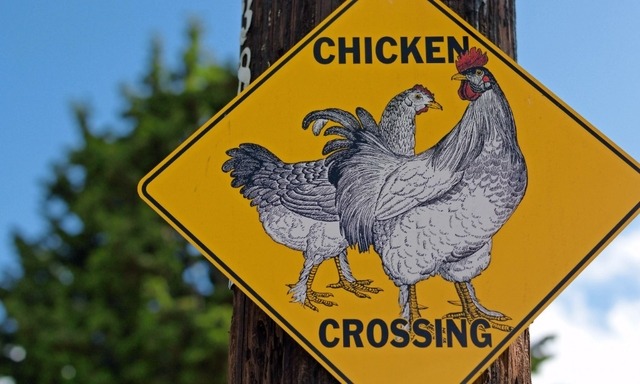
In Leslie Citroen’s business, the gender inequality is scandalous: Citroen sells the female chicks of her best-selling chicken breed, the Japanese Silkie, for 300 dollars each. They can look forward to a paradisiacal life with outdoor space, organic feed, and plenty of love. The little roosters, by contrast, will breathe their last after just a few weeks in a butcher’s shop in San Francisco’s Chinatown. Because their black skin and black bones are considered a delicacy by Chinese customers, Citroen still receives 10 dollars for them.
The New Chic
These are the two sides of the new chic in Silicon Valley: keeping chickens in one’s own garden. More and more of the highly paid employees at Google, Facebook, Apple, and the other companies are finding a counterbalance to a hectic day in front of the screen in a few moments spent with their own chickens. Roosters, however, are not part of the plan. As charming as the farmyard idyll may be, morning crowing disturbs the neighbors, and most communities do not allow roosters anyway.
This trend exists not only in the Bay Area; in the rest of the USA and in Germany, too, more and more private individuals are keeping chickens. But this is Silicon Valley, and things work a little differently here. And so the chickens are, of course, given organic feed, they have names, and quite often they spend the night in luxury coops.
“Would you really put an Amazon chicken coop in your garden if you owned a 15-million-dollar house?”, asks Leslie Citroen.
It is not really a question. Carpenters have long since adapted to the wishes of this new clientele. Their coops look like little country houses or romantic log cabins, automatically switch on the lights, serve their residents fresh water, and send live videos to their owners’ phones at any time. It is no problem that such a coop can easily cost 20,000 dollars. Because it is a little more than just a shelter for chickens: “These people have the large garden, the pool, and the fire pit,” says Citroen. “What they still need is the chicken coop.”
The full article can be found here: https://m.tagesanzeiger.ch/articles/15301466
Comments (0)